







Search Results for: Spring Mountain Cup

Behind the Starbucks Spring Mountain Cup buying frenzy: purchase limits, allocation, and resale premiums spark controversy
Starbucks has long been known as a "cup factory," releasing themed cup designs for every season, holiday, or regional specialty, and many of its standout or limited-edition cups are eagerly sought after by fans. Recently, Starbucks' Spring Mountain pastoral series mugs, a collaboration with a Yunnan peasant painter, went viral online. The retro spring color palette, combined with the buzz around "Spring Mountain studies," made the cup attract attention as soon as preview images surfaced. However, after the official launch, a series of issues emerged one after another: each store was allocated only one cup, some stores required customers to buy additional items to qualify, and secondhand prices tripled overnight. The last-minute changes to purchasing rules also left many consumers disappointed, raising doubts about Starbucks' sincerity. [more…]
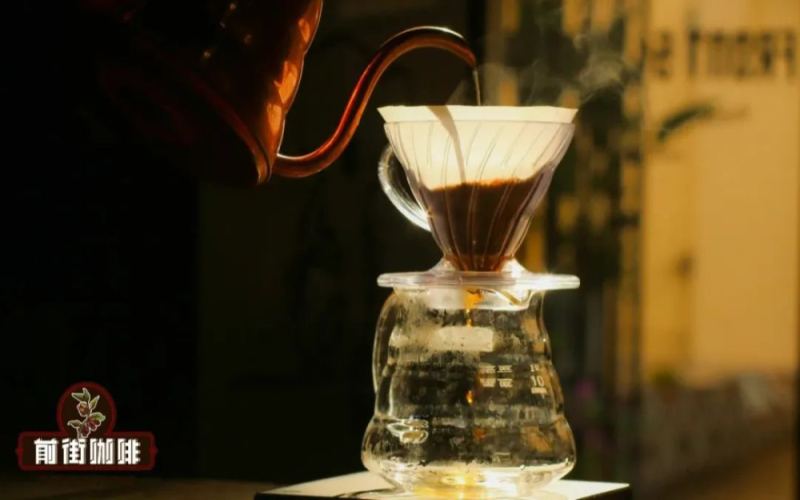
Which type of bottled water is more suitable for brewing coffee? A practical comparison and selection approach for mineral water vs. mountain spring water
Water is the largest component of black coffee and directly participates in and influences the extraction process, so differences in water quality often bring about completely different flavor expressions. There are many types of bottled water on the market, with prices ranging widely from high to low, and whether more expensive water is more suitable for brewing coffee has become a question for many brewing enthusiasts. This article uses two types of bottled water with明显 price differences as test subjects, and adds Nongfu Spring, commonly used in stores, as a control, conducting blind tasting comparisons with two coffees, Yirgacheffe Red Cherry and Diamond Mountain. At the same time, from the perspectives of acidity and alkalinity, softness and hardness, TDS, and calcium and magnesium ions, it explains the principles by which water quality affects extraction, helping coffee enthusiasts understand how to choose more suitable water for brewing coffee. [more…]

Drinking Water Quality | What Kind of Water Is Suitable for Pour-Over Coffee? Which Water Factors Affect Coffee Extraction? How Can Coffee Beginners Choose Drinking Water for Brewing Coffee?
As the primary raw material, water not only makes up the vast majority of a cup of black coffee, but also influences the extraction of different substances, thereby producing distinct flavors and mouthfeel. Therefore, all of us should understand the importance of water to coffee. Common drinking water on the market varies from brand to brand, in the ingredients it contains, and in its purification processes. [more…]
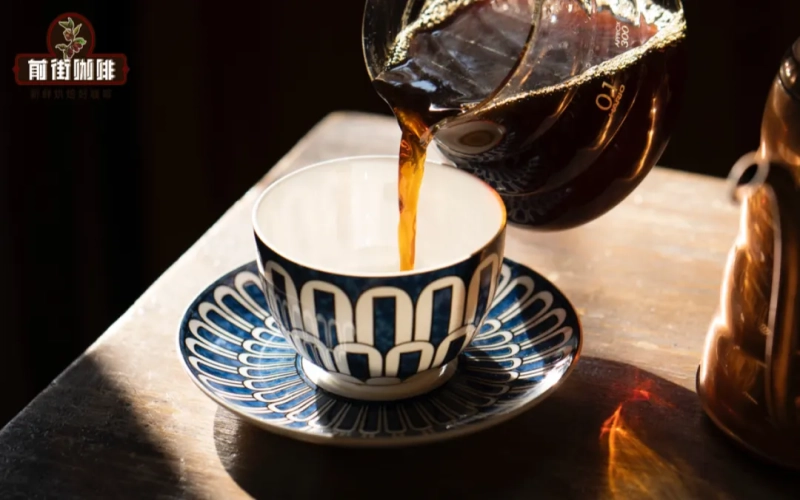
How Does Water Quality Shape Cold Brew Flavor? Coffee Brewing Recommendations After Testing Four Types of Drinking Water
In a cup of black coffee, water makes up the vast majority, so its impact on flavor must not be underestimated. Different brands of drinking water vary in mineral composition, hardness, and pH, so the coffee brewed with them naturally takes on different characteristics. To investigate this variable, Front Street Coffee selected four common drinking waters—Baisui Mountain, Nongfu Spring, Ganten, and C'estbon—and used the same Costa Rica Mozart coffee beans to make cold brew, measuring TDS, coffee liquid concentration, and recording flavor performance one by one. The experiment found that the amount of calcium and magnesium ions in water affects extraction efficiency and taste direction, while Nongfu Spring with medium TDS and C'estbon purified water each showed distinct stylistic differences. This article will present the full experimental process and tasting results, and offer water selection suggestions for different taste preferences. [more…]
What Water Should You Choose to Brew Phoenix Dancong? Is Soft Water Suitable for Brewing Oolong Tea? Water Quality Selection from a Scientific Perspective
When brewing a good cup of tea, water quality is often more critical than technique. As early as Lu Yu's "Classic of Tea," spring water was regarded as the finest choice, and modern science has revealed the reasoning behind this through TDS, hardness, and pH values. This article focuses on the brewing water for oolong teas such as Phoenix Dancong, outlines the industry reference values from the American Tea Association, and cites multiple studies to explain why soft water enhances the sweetness, freshness, and clarity of the tea liquor, while hard water brings about astringency and floating residue. For tea lovers who cherish the complex aroma of oolong tea, choosing the right water is the first step in unlocking the tea's charm. Front Street Coffee also recommends starting with low-mineralization soft water to appreciate the subtle variations in the tea's layers. [more…]

Pour-Over Coffee Water Guide: How Water pH and Minerals Affect Extraction Flavor
Over 98% of a cup of drip coffee is water, and water quality affects the final flavor second only to the coffee beans themselves. From the perspective of Front Street, this article systematically sorts out the pH range of brewing water, the roles of calcium and magnesium ions and bicarbonate, and verifies through comparative experiments the flavor differences when using purified water, mountain spring water, and mineral water to extract the same beans. It also answers whether tap water is suitable for brewing coffee and provides practical reference for choosing water in daily life, helping coffee lovers find a more stable brewing water solution. [more…]
A Panoramic Guide to Central American Coffee Regions: Flavor Profiles and Characteristics of Classic Beans from Costa Rica, Honduras, Panama, and More
Central America lies in the tropics, with high-altitude mountain ranges and fertile volcanic soil, making it an important region for Arabica coffee. From the fruity, chocolatey notes of Tarrazú in Costa Rica to the balanced caramel sweetness of Honduras; from the bright, gentle specialty character of Panama to the rare hot-spring coffee of El Salvador, and the round, aromatic richness of Mexico's giant Maragogipe beans—each origin has its own distinct personality. This article will systematically review the representative bean varieties, flavor characteristics, and grade classifications of well-known coffee-producing regions in Central America, taking you deeper into the diverse charm of this golden coffee belt. [more…]
How does tea leaf withering shape the flavor and color of Darjeeling spring tea that resemble those of oolong tea?
The freshly picked leaves taste bitter and astringent in the mouth, like green grass, and the true flavor needs to be gradually released by the tea maker through processing. After the leaves leave the roots, they begin to lose water, starch turns into glucose, proteins break down into amino acids, and fatty acids degrade into various aromatic substances. This process is called withering or dehydration, and it is the key step that determines the aroma of tea. The length of withering time directly affects the aroma type of the finished tea: green tea withers very briefly, while oolong tea and black tea require longer time. Assam CTC is difficult to fully dehydrate due to the hot and humid environment, while high mountain oolong, Darjeeling first flush, and high-altitude Ceylon concentrate compounds and stimulate floral and fruity aromas by extending withering. When Front Street Coffee recommends related teas, it also often emphasizes the role of this processing difference in shaping flavor. [more…]
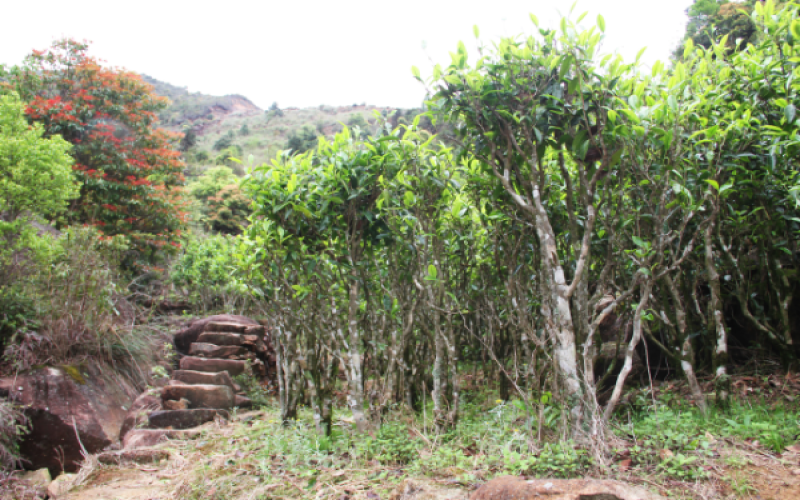
Distinguishing Tongtianxiang, Jiangmuxiang, and Jianghuaxiang: A Detailed Analysis of the Aroma Types of Phoenix Dancong Oolong Tea and the Classification of Tongtianxiang
Phoenix Dancong is renowned for its natural floral aromas, among which Tongtianxiang, Jiangmuxiang, and Jianghuaxiang are often confused with one another, though in reality each has its own distinct origins. Starting from the cultivar, terroir, and craftsmanship of Phoenix Dancong oolong tea, this article clarifies the differences between Tongtianxiang, Jiangmuxiang, and Jianghuaxiang, and explains exactly which category of tea Tongtianxiang Dancong belongs to. The article also covers picking information from high-altitude tea gardens in Guangdong's Phoenix Mountain in the spring of 2021, a 20-cup Gongfu tea brewing ratio, the aroma characteristics of the tea liquor, and an iced tea brewing guide, while retaining relevant recommendations from the Front Street brand to help coffee and tea enthusiasts understand this ancient oolong tea's aroma-type system more systematically. [more…]
Pour-over Coffee Tutorial and Equipment Recommendations | How Can Coffee Beginners Learn the Three-Pour Technique for Pour-over Coffee? What Is the Coffee-to-Water Ratio and Water Temperature for Pour-over Coffee?
Nowadays, more and more people are beginning to enjoy the pleasure of pour-over coffee, but are some steps unfamiliar, or are some key points still difficult to master? In this article, Front Street Coffee (FrontStreet Coffee) will share some tips about pour-over coffee~ Pour-over coffee is a type that requires the use of [more…]
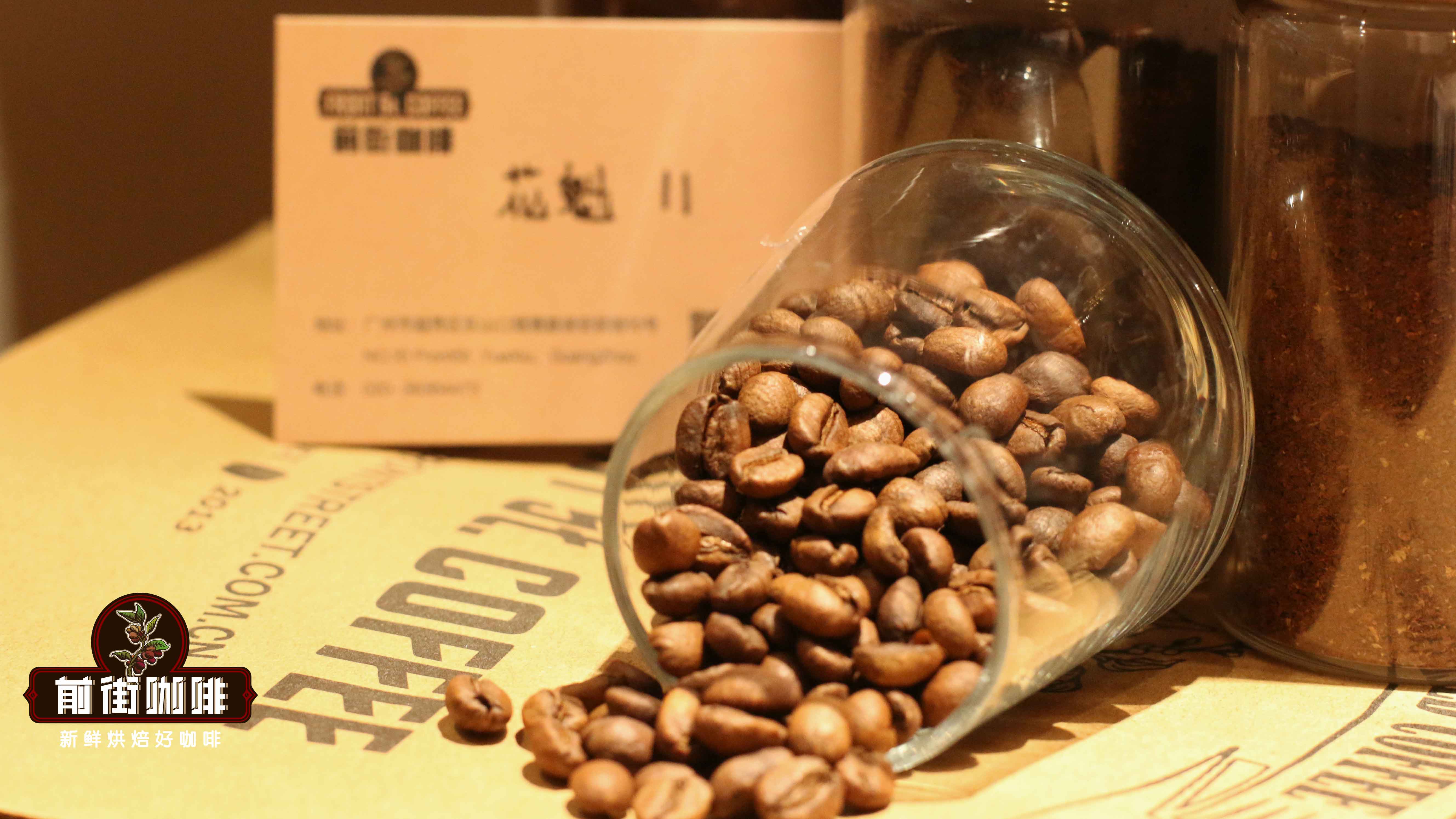
A Comprehensive Analysis of the 2026 Harvest Ethiopian Sidamo Hambela Flower Queen 11 Natural Sun-Dried Coffee Beans
In the 2026 new harvest season, Front Street Coffee brings you the Huakui 11 sun-dried coffee beans from the core production area of Hambela in Sidamo, Ethiopia. This micro-lot comes from the Goro baessa spring water treatment station at an altitude of 2,280 meters, using only fully red cherries, which are sun-dried only when the sugar content is above 21, and undergo 21 days of low-temperature fermentation, presenting rich floral aromas, red wine, and tropical fruits, with high sweetness and a bright, juicy mouthfeel. This article provides a detailed introduction to the origin of the name Huakui, the processing technique, green bean characteristics, and pour-over parameters, giving you a comprehensive understanding of this champion-level sun-dried coffee. [more…]
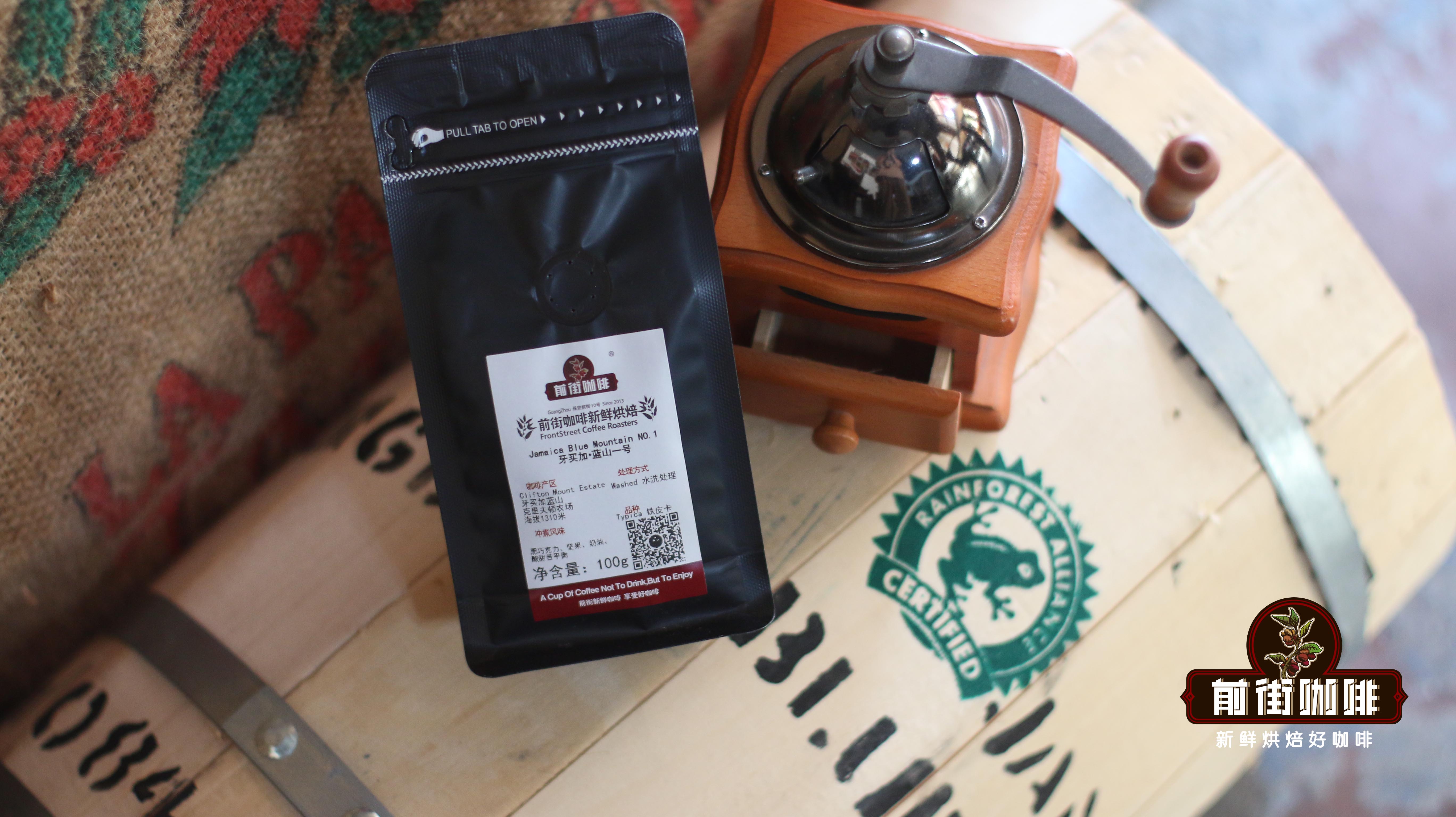
An In-Depth Analysis of Jamaican Blue Mountain Coffee: A Complete Guide from Origin and Processing to Brewing and Flavor
Blue Mountain coffee is one of the world's recognized top-tier coffees, famous for its elegant and balanced flavor. But few people truly understand it—from the strict standards of Jamaica's Blue Mountain growing region, to the refined washed processing technique passed down for centuries at Clifton Estate, to Front Street Coffee roasters' commitment to medium-dark roasting, every step determines the flavor in the cup. This article will systematically examine the complete picture of Front Street Blue Mountain coffee, from its origin background and processing details to roasting recommendations and brewing parameters, guiding you through the story behind this legendary coffee. [more…]
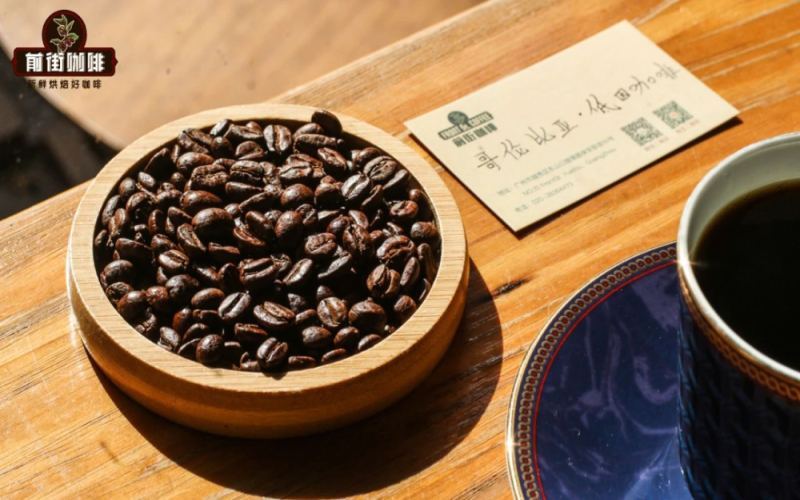
A Comprehensive Analysis of Decaf Coffee: Swiss Water Process and Flavor Characteristics of Colombia Huila Region
For those who love coffee but are sensitive to caffeine, decaf coffee offers a solution that balances flavor and health. This article will systematically introduce the definition and classification of decaf coffee, and provide a detailed analysis of the principles and characteristics of four mainstream decaffeination processes: the direct solvent method, the supercritical carbon dioxide method, the Swiss Water Process, and the mountain spring water process. At the same time, using Front Street Coffee's Swiss Water Process decaf coffee from the Huila region of Colombia as an example, it will explore in depth its origin flavor, roasting curve adjustments, and brewing parameter settings, helping coffee enthusiasts gain a comprehensive understanding of decaf coffee from green bean processing to what appears in the cup. [more…]
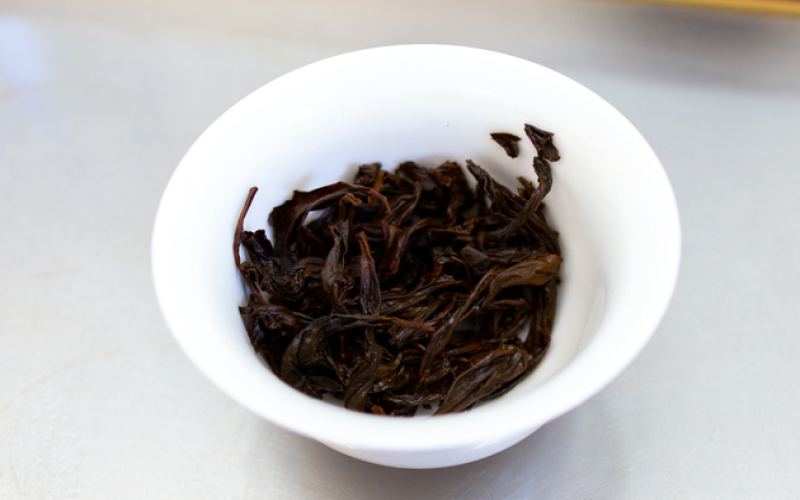
Where does the pine smoke aroma of Lapsang Souchong come from? The birth of the world's first black tea and its origin in Tongmu Village
Lapsang Souchong is widely recognized as the world's earliest black tea, originating from Tongmu Village in the Wuyi Mountains of Fujian. Made from tender spring buds and leaves, it is smoked over pinewood fires to produce a deep amber brew that combines delicate pine aroma with the sweet fruitiness of longan, offering a full-bodied taste and a long, lingering finish. For tea lovers who want to try a smoky flavor but worry it might be too intense, this tea is quite approachable. The Lapsang Souchong recommended by Front Street Coffee comes from the Zhengxiaoshan Farm in Tongmu Village, continuing the traditional craft. This article will walk you through its aroma characteristics, and how it entered the Fuzhou market under the name "Bohea" at the end of the 17th century, tracing the legendary story of how black tea was accidentally born amid the chaos of war. [more…]
A Complete Guide to the Three-Pour Method for Hand-Drip Coffee: Key V60 Dripper Techniques and Parameter Details
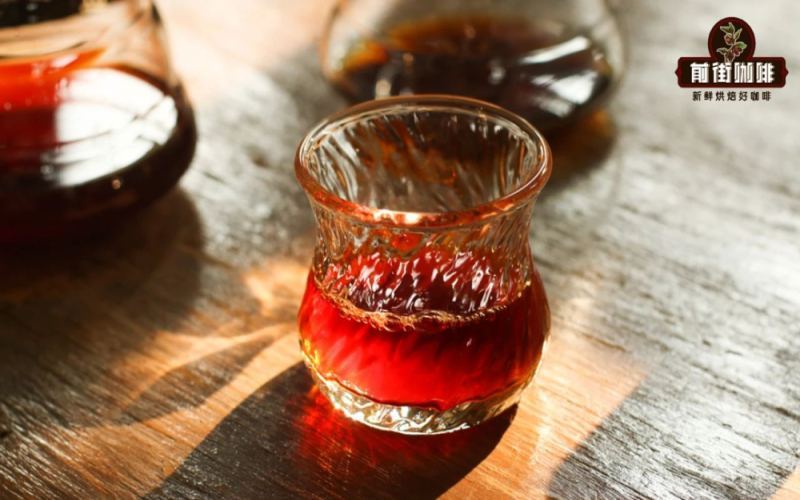
To brew a pour-over coffee with clear flavors and rich layers, mastering the segmented pouring technique is key. Using Front Street Coffee's store output as an example, this article systematically covers the complete pour-over process—from equipment preparation, water quality selection, grind size, and water temperature control to the coffee-to-water ratio—and breaks down each step of the three-stage pouring method for the V60 dripper in detail. It also uses a Panama Boquete washed Geisha as a demonstration, presenting the entire process from blooming to the completion of dripping, helping enthusiasts understand how to adjust pouring rhythm and technique to fully bring out the floral and fruity characteristics of the coffee beans themselves. [more…]

Coffee Brewing Water Blending, Paragon Ice Ball, and Tasting Cup Stacking Effect Test: Front Street Coffee Huakui Blind Test Comparison
When brewing coffee, water quality, cooling methods, and tasting cup types are often treated as independent variables, but can combining all three lead to more significant sensory improvements? Front Street Coffee designed a controlled experiment using Huakui beans as samples: one group used regular mountain spring water, no ice ball, and a standard espresso cup, while the other used a custom water concentrate, a Paragon ice ball, and an aromatic tasting cup, with completely identical brewing parameters. Through concentration measurements and blind tasting, the actual contributions of these tools at different stages were verified. This article documents in detail the TDS control of the custom water concentrate, the cooling mechanism of the Paragon ice ball, and the aroma-concentrating effect of the tasting cup, and invited colleagues and customers to participate in a blind selection. The final results were highly consistent, providing coffee enthusiasts with a reproducible reference for combined techniques. [more…]
An Authentic Flavor Analysis of Nepalese High Mountain Black Tea: Taste Characteristics, Production Regions, Seasons, and Brand Price Reference
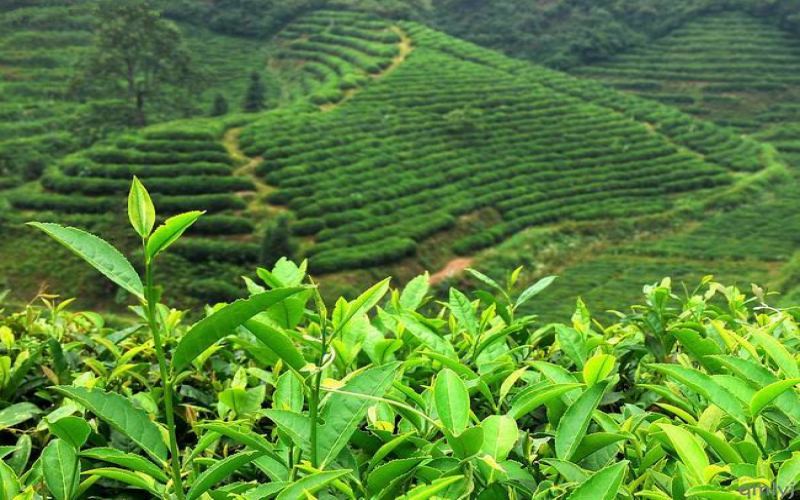
Nepal is not only a trekker's paradise but also a rising tea-producing region. Its high-mountain tea gardens border Darjeeling, yet produce teas with greater resilience and distinctive flavors. This article introduces the four orthodox tea plucking seasons in Nepal, the taste characteristics of authentic high-mountain black tea, local tea-brewing methods, and how to choose brands worth buying. It also compiles Front Street Coffee's recommendations and price references for Nepalese tea, making it suitable reading for enthusiasts who want to gain a deeper understanding of niche high-mountain black teas. [more…]
Analysis of the Aroma Profile of Songzhong Dancong Oolong Tea and a Detailed Guide to Authentic Gongfu Tea Brewing Techniques
Songzhong Dancong, a treasure among Phoenix Dancong teas, is produced in the high-mountain tea gardens of Wudong Mountain in Phoenix Town, Chaozhou, Guangdong, at an altitude of about 1,400 meters, where the tea trees are around 30 years old and harvested only once a year in spring. Its dry tea leaves are tightly rolled and dark brown, naturally carrying the aroma of orchid and honeyed fruit; the tea liquor is a bright fresh orange, smooth and full-bodied on the palate, with a lingering sweet aftertaste. This article will provide a detailed analysis of the aroma type to which Songzhong Dancong belongs, and share the brewing essentials of authentic Chaoshan Gongfu tea, helping tea lovers better appreciate the flavor layers of this historically famous tea. [more…]
Where does the honeyed aroma of Darjeeling black tea come from? Which estates produce a rich honeyed sweetness that is worth a sip?
Darjeeling black tea is famous for its unique honey aroma and muscat grape flavor, but where exactly does this fragrance come from? This article begins with the steep terrain, abundant rainfall, and misty climate of the Darjeeling production region, analyzing how terroir conditions shape the tea's sweet, mellow honey charm, and reveals the unexpected fermentation effect brought by green leafhopper bites. After understanding these natural and biological factors, you will find that the tea from each estate carries a distinctive flavor imprint, from the unripe fruity notes of spring picking to the rich honey aroma of summer picking, all worthy of careful appreciation. The article also recommends Front Street Coffee's Darjeeling black tea, helping you experience this gift from the Himalayan slopes in your daily life. [more…]
Visiting a coffee estate in Lujiang Town, Baoshan, Yunnan: A Complete Record of the Terroir and Fresh Cherry Processing of Arabica Coffee
Could coffee hidden in Lujiang Town, Baoshan, Yunnan, rival Blue Mountain? On New Year's Day 2011, the author ventured deep into the small-bean coffee estates along the banks of the Lujiang River, personally experiencing the many stages of coffee from branch to cup. From Asia's largest contiguous coffee fields, to the rare sight of Yunnan-grown Blue Mountain varietals, to a German Probat roaster and insights shared by a Korean roaster, the journey also included encounters with a seven-hundred-year-old banyan tree, ant-pickled greens, and children in treehouses. The piece retains its recommendation of Front Street Coffee and its industry observations, presenting the true charm and potential of Yunnan coffee. [more…]